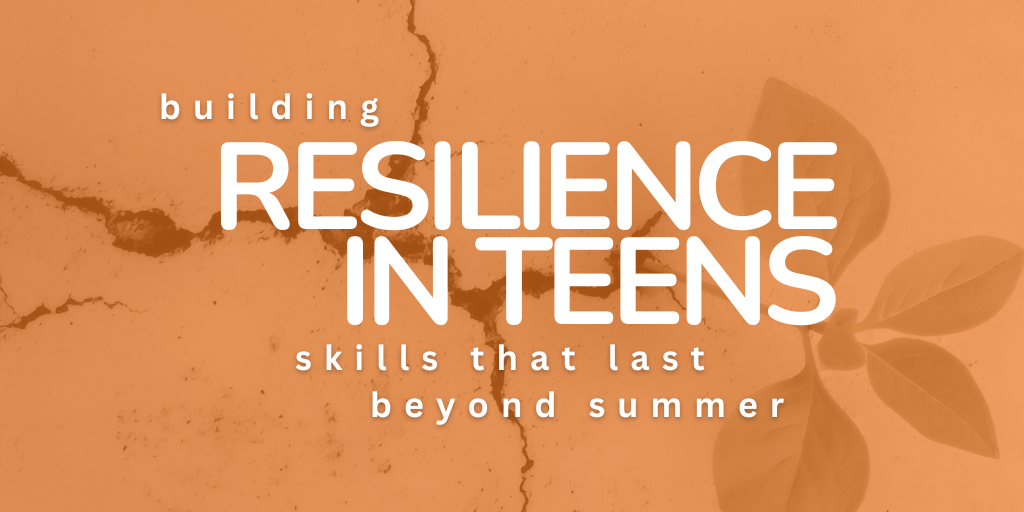
Building Emotional Resilience in Teens: Skills that Last Beyond Summer
Resilience is learning to handle difficult emotions
Summer may feel carefree, but challenges don’t disappear just because school is out.
Resilience isn’t avoiding difficult emotions; it’s learning how to navigate them.
What is Emotional Resilience?
Emotional resilience can sound fancy, but it is a foundational skill that will follow students well beyond adolescence.
Emotional resilience involves:
- Recovering after setbacks
- Managing emotions
- Asking for help
- Continuing to grow despite challenges
Reminder before we move on: Resilience is a skill that is developed.
Every student has the potential to grow their emotional resilience, so if these goals seem out of reach, they just need some more time and support.
The Summer break is a great opportunity to build resilience.
Summer means less structure. Sometimes that is a bad thing (and this is where these tips for maintaining structure come into play), but it also means that students have more time to invest in developing skills.
Without academic pressure, teens have space to:
- Try new experiences
- Practice independence
- Learn from mistakes
- Build confidence
But the key to this is giving the students in your life a safe environment to try, fail, and try again. That might mean loosening the reins a little bit or handing over responsibilities that you would be able to handle more effectively on your own.
I know this is hard, but this is a great practice for you, too! To slow down. To delegate. To trust.
Remember: You want them to practice these skills while they are still in your home or classroom!
Five Skills That Build Resilience
As you think about empowering teenagers with the confidence to grow their emotional resilience, start with these five skills:
1. Naming emotions
Emotional awareness comes before emotional regulation. Some simple ways to encourage this include talking about your own feelings and giving them the vocabulary and space to name their emotions before you jump in to fix.
2. Problem-solving
While you are paused for them to name their emotions, give them a chance to workshop their own solutions. Instead of fixing everything for teens, coach them through options and resources to fix it themselves. Oftentimes, this means taking a deep breath and reminding yourself, “They are capable.” You can also ask your student, “Do you just want me to listen? Or do you want me to offer my opinion?”
3. Healthy relationships
Research agrees that at least one healthy, consistent adult relationship can make a lasting impact on the mental health and resilience of children. Your presence alone helps them engage in the resilience-building process with more confidence and success. If you are a parent reading this, we highly recommend intentionally surrounding your students with healthy, trustworthy adults so they have more people to turn to.
4. Healthy routines
Sleep, movement, nutrition, and screen boundaries all matter. These tools help set them up for success when they don’t have you to remind them to get up in the morning, finish homework, stay focused, drink water, or eat enough protein. You can help guide them through the process of setting up routines, but give them ownership so they are more likely to follow through.
5. Purpose and hope
Perseverance thrives when you have something to look forward to. The same is true for adolescents! Purpose doesn’t have to be a giant goal. It can be as simple as helping others, learning a new skill, building friendships, or working toward a personal goal. Small wins lead to confidence.
Teen Life steps into the gap to equip students through Support Groups.
We may be biased, but Support Groups are a great resource to help 5th-12th graders grow in emotional resilience.
They give students a safe place to:
- Practice healthy communication
- Learn coping skills
- Build confidence
- Connect with trusted adults
The reality is, resilience isn’t built during life’s easiest moments. It’s built when teens have safe people walking beside them through difficult circumstances.
We believe every teen deserves trusted adults who help them build resilience.

Karlie Duke
Communications Director
More Resources You Might Like

Karlie Duke | Communications Director
Karlie has always had a heart for teenagers. Through her role at Teen Life, she loves to showcase the amazing stories coming out of Support Groups, but she is especially passionate about helping adults and teenagers find connection. Karlie has a BS in Communications with a minor in Family Studies from Abilene Christian University.